Curious how much a proper hoist can protect your vessel and your wallet? You might assume the price is a single number, but the reality is more layered.
Your waterfront, boat size, and local water conditions shape the final figure. Residential setups span a wide range, often from roughly $1,500 up to $30,000, depending on materials and job specifics.
Choosing a higher-quality system can prevent hull blistering and algae growth and reduce long-term maintenance. A professional crew also adds value by securing your craft against tides, waves, and dock impacts.
Key Takeaways
- Prices vary widely: expect a broad range based on size and materials.
- Site matters: your dock and local water influence the final figure.
- Quality pays off: better gear lowers long-term repair needs.
- Labor counts: total expense includes professional setup and adjustments.
- Match the system: pick equipment suited for your craft and usage.
Understanding Boat Lift Installation Cost Jacksonville Florida What to Expect
Start by knowing the typical price bands and what drives them—this helps you compare options fast.
The most common boat lift cost ranges fall roughly between $2,000 and $20,000, while smaller manual systems begin near $1,500 and top-tier hydraulic setups can exceed $25,000. These numbers vary by type, weight capacity, and material quality.
When you review any cost boat lift quote, check these essentials:
- Weight and capacity: Match capacity to your boat weight to avoid mechanical failure.
- Water and site conditions: Tidal changes or harsh salt exposure change long-term costs.
- Maintenance needs: Routine care prevents hull damage and corrosion over time.
- Features and accessories: Remotes, canopies, and upgraded materials add convenience and safety.
Understanding the much boat lift investment helps you prioritize upgrades that bring the most value. A smart purchase protects your hull, saves time hauling, and keeps your waterfront usable for years.
Why a Boat Lift is a Smart Investment for Your Property
Raising your vessel above the tide prevents slow damage that often goes unnoticed.
Protecting Your Hull from Corrosion
Keeping your craft dry and off the water reduces algae buildup and hull blistering. Regular exposure to saltwater speeds corrosion and raises long-term maintenance needs.
Professional boat lifts shield the hull and mechanical parts. That reduces cleaning and repairs over the years.
- Less hull abrasion and fewer growth issues.
- Reduced exposure to corrosive salt and marine organisms.
- Fewer monthly maintenance tasks for your upkeep routine.
Increasing Long-Term Resale Value
A high-quality lift signals good care and adds curb appeal for buyers. That often translates into a higher property value and faster sale.
“A well-maintained berth shows buyers you protected the craft and the dock.”
| Benefit | Short-Term Savings | Resale Impact |
|---|---|---|
| Reduced cleaning | Lower monthly fees | Positive |
| Less corrosion | Fewer repairs | Moderate |
| Convenience | Time saved | High |
Key Factors That Influence Your Total Project Price
A few practical variables determine most of the budget: weight, shoreline, materials, and options.
Fully loaded weight sets the required capacity and the size of structural steel needed. Standard capacities range from about 2,000 lbs up to 24,000 lbs, so matching capacity to actual weight prevents damage and extra maintenance.
Your shoreline and water conditions change price fast. Rocky bottoms, deep channels, or variable tides add time and specialized gear. That raises the overall lift cost and may require dock reinforcement or electrical upgrades.
Material quality also matters. Aluminum resists corrosion and lowers long-term maintenance, while galvanized steel can be stronger but needs more upkeep. Think about future upgrades so your equipment can handle larger boats down the road.
Accessories and balance affect final numbers. Guide-ons, remotes, and proper cable alignment add convenience and safety. A professional setup ensures correct balance and cable routing, reducing the risk of hull damage and uneven wear.
- Fully loaded weight drives capacity and steel needs.
- Shoreline conditions influence time and specialized work.
- Materials, accessories, and future upgrades shape long-term costs.
Comparing Popular Boat Lift Models and Their Price Ranges
Different models bring clear trade-offs between upfront price and long‑term value.
Start by matching capacity to your boat weight. A correct match prevents strain on cables and keeps the system balanced. Maintenance needs rise if capacity is undersized.
Manual and Vertical Options
Manual and vertical systems are the budget-friendly choice. They work well for smaller boats and simple docks.
Pros: lower initial boat lift cost, simpler equipment, easy repairs. Cons: more hands‑on effort and slower operation.
Hydraulic Systems for Heavy Vessels
Hydraulic systems handle greater weight with quiet, smooth motion. They suit larger boats and frequent use.
Pros: fast, reliable, ideal for residential neighborhoods. Cons: higher price and more complex maintenance.
Floating Models for Fluctuating Water
Floating models adapt when water levels change. They are flexible in deep or shifting water and need fewer fixed pilings.
Pros: versatile, easier on variable shores. Cons: may require more checks after storms and regular corrosion care.
“High‑quality aluminum or stainless steel construction can give you 20+ years of service with proper upkeep.”
| Model | Typical Price Range | Best For | Common Materials |
|---|---|---|---|
| Manual / Vertical | $1,500 – $6,000 | Small boats, budget projects | Aluminum, galvanized steel |
| Hydraulic | $8,000 – $30,000+ | Heavy vessels, frequent use | Stainless steel, marine‑grade aluminum |
| Floating | $3,000 – $12,000 | Deep or shifting water | Aluminum, composite floats |
When you compare boat lift costs, think long term. Quality steel and proper maintenance save money over decades. For a detailed quote and guidance, see our boat lift cost guide.
Navigating the Complexities of Professional Installation
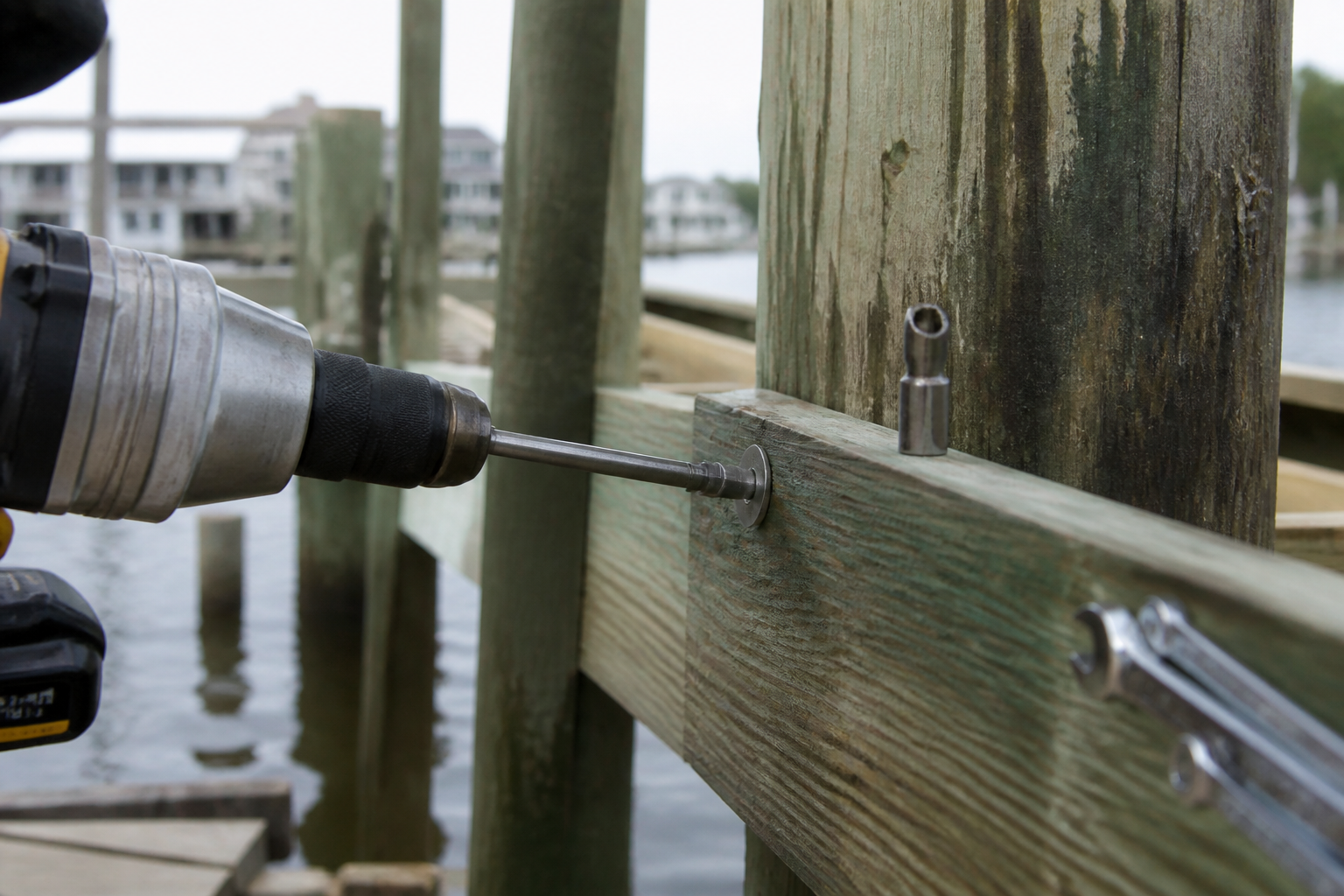
When terrain and tides complicate the job, experienced contractors keep your investment safe and fast. You’ll face tricky anchoring, cable routing, and local permitting that often surprise DIYers.
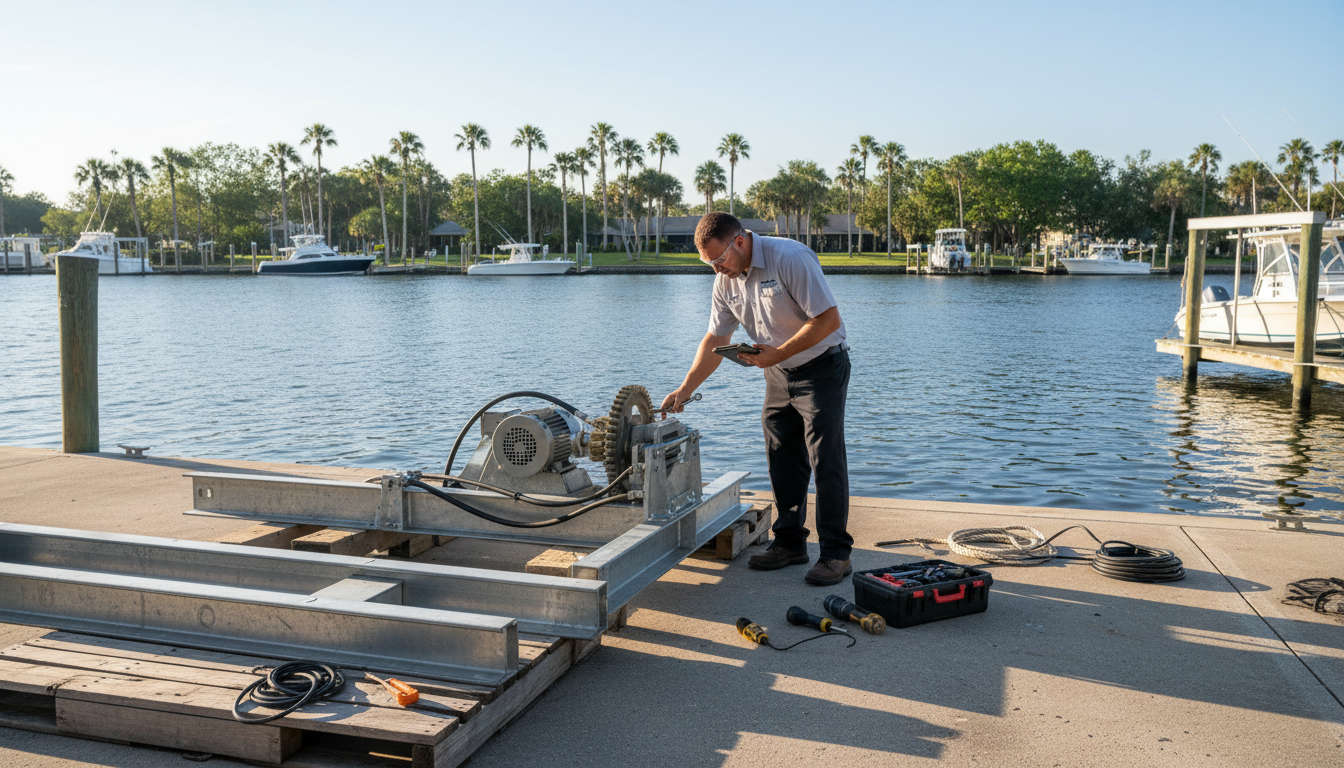
Professional setup saves time and reduces risk. Labor typically ranges from $500 to $3,000 depending on local rates and waterfront difficulty. Firms like Lamulle Construction bring two decades of marine experience and handle custom marine construction across the Gulf Coast.
Attempting a DIY approach for hydraulic lifts or larger systems can cause serious damage. Incorrect capacity matching or poor anchoring risks harm to your craft, dock, and the hardware itself. Many manufacturers require certified pros for warranty coverage.
The practical benefits of hiring pros
- Precise matching of capacity and weight to prevent mechanical problems.
- Guidance on maintenance schedules and parts care that extend service life.
- Faster permitting and proper shore prep, saving you time and headaches.
Essential Accessories to Enhance Your Lift System
A few well-chosen accessories can make daily handling faster and extend the life of your waterfront gear.
Remote controls: The GEM GR2F1 remote is a popular pick. It runs two lifts with one fob and includes autostop for safer, worry-free operation. You get one-button convenience and less time on the dock.
Alignment and protection: Guide-ons help you center your craft during use and reduce dock rash in windy water. Canopies cut UV damage and keep bird droppings off the hull, lowering cleaning frequency.
Power and safety options: Solar panels are ideal if shoreline power is distant. Autostop features prevent over-lifting and collisions with dock structures. Choose marine-grade stainless steel fittings to resist corrosion.
| Accessory | Main Benefit | Best For | Material |
|---|---|---|---|
| GEM GR2F1 Remote | Operate two lifts with one fob; autostop | Owners with multiple lifts | Electronic, weather-sealed |
| Guide‑ons | Improved alignment; prevents dock rash | Windy or tidal areas | Aluminum or marine steel |
| Solar Charging | Off-grid battery recharging | Remote shorelines | Marine-grade panels and mounts |
| Canopy | UV and debris protection | Long-term outdoor storage | UV-stable fabric, stainless fittings |
- Pick accessories that match your system type and weight needs.
- Ask a pro for compatibility checks so every add-on works smoothly.
- Invest smart: marine-grade steel parts last longer and keep long-term costs down.
Hidden Financial Considerations for Waterfront Upgrades
Many owners focus on base pricing and miss essential secondary expenses. These extras often change the final number far more than the quoted equipment or labor.
Permitting and Regulatory Requirements
Permits can add significant fees and time. Coastal permit reviews, required site surveys, and local inspections are common. Factor permit timelines into your project schedule.
Electrical Upgrades and Shoreline Prep
Modern powered systems usually need a dedicated 240V circuit. Running that service, trenching, and a safe breaker panel are often missed from early estimates.
Shoreline prep and dock reinforcement protect your investment. Rocky bottoms or shifting mud may require special anchors, extra concrete, or stabilization gear. These measures reduce long‑term damage to the hull and cables.
- Include annual maintenance like cable inspection and lubrication in your budget.
- Plan for future upgrades now; retrofits cost far more later.
- Account for specialized equipment if water conditions are challenging.
Tip: Ask for a line‑item quote that separates permits, electrical work, shoreline prep, and maintenance. That helps you avoid sticker shock and protects your waterfront investment.
Expert Tips for Selecting the Right Equipment
Start by matching capacity to your fully loaded weight. Verifying this prevents mechanical strain and extends service life.
Jeff, with 22 years of experience, recommends marine‑grade aluminum construction for harsh water conditions. It resists corrosion and stays light for easier handling.
Prioritize practical features: autostop, corrosion‑resistant cables, and weather‑sealed remotes improve safety and convenience.
“Avoid gimmicky options that break down quickly—choose proven materials and simple, serviceable components.”
Think about long-term maintenance. Hydraulic lifts offer smooth motion but need specific care and periodic checks. Planning routine service saves time and future price surprises.
- Verify electrical requirements and warranty terms before you buy.
- Pick accessories that match the capacity and shoreline conditions.
- Plan for future upgrades so the equipment can handle larger vessels later.
| Tip | Why it Matters | Quick Action |
|---|---|---|
| Check fully loaded weight | Ensures correct capacity and safer operation | Weigh craft or consult builder specs |
| Choose marine‑grade aluminum | Better corrosion resistance and longevity | Ask for alloy grade and warranty |
| Prioritize autostop & cables | Reduces docking accidents and wear | Require corrosion‑resistant cables and autostop feature |
| Consider maintenance needs | Lower long-term service effort and unexpected repairs | Review service schedule for hydraulic models |
Conclusion
A thoughtful waterfront upgrade protects your craft and keeps weekend plans worry‑free.
Plan around your fully loaded weight, local water conditions, and the right boat lift type so the project goes smoothly. Your final boat lift cost includes hardware, permits, electrical work, and professional help.
Choosing quality gear and proper accessories pays off. Well‑made lifts reduce cleaning, cut repair needs, and boost waterfront value. This investment makes each outing simpler and safer.
Use this guide as a checklist when you shop. With the right boat and the right planning, you get years of convenience and fewer surprises on the water.
FAQ
How much should you budget for a basic lift and setup?
Pricing varies by model and capacity, but expect entry-level systems to start in the low thousands. Add more for higher weight ratings, corrosion-resistant materials, and pro setup. Also budget for dock modifications and accessories so you don’t get surprised by add-ons.
What factors drive the final price of a waterfront hoist?
Key drivers are the unit’s capacity, materials (aluminum vs. galvanized steel), power type (manual, electric, or hydraulic), site conditions like depth and shoreline type, and the complexity of mounting or pilings. Permits and electrical work add to the total as well.
Can you install a system yourself, or should you hire a pro?
DIY is possible for small, simple frames if you have construction skills. But pros reduce risk of damage, ensure proper weight distribution, meet local regulations, and handle pilings or electrical safely. For heavier or hydraulic rigs, professional installation is strongly recommended.
How do you pick the right capacity for your vessel?
Use the fully loaded weight of your vessel — hull, engine, fuel, gear, and people — then add a safety margin. Choose a model rated above that figure to allow for future upgrades or heavier loads.
How long does a typical setup take?
Simple installs can finish in a day or two. Complex jobs with pilings, electrical, or concrete work can take several days to a couple of weeks, depending on permitting and weather delays.
What ongoing maintenance should you plan for?
Regular tasks include greasing moving parts, inspecting cables or straps, checking fasteners and electrical connections, and flushing or treating metal exposed to saltwater. Seasonal checks prevent corrosion and mechanical failure.
Are hydraulic systems worth the extra price?
Hydraulic rigs cost more but offer smoother, more powerful lifts and better control for heavy vessels. They’re ideal if you handle larger, heavier hulls or want quieter operation. Factor in potential higher service costs.
Do floating platforms make sense for changing water levels?
Floating platforms handle fluctuating levels well and reduce stress on pilings. They suit shallow or tidal zones but may require more frequent anchoring checks and can be pricier initially than fixed cradles.
What accessories should you consider right away?
Useful add-ons include motor covers, LED lighting, remote controls, sacrificial anodes for corrosion protection, adjustable bunks, and chafe guards for cables. These extend equipment life and improve usability.
How do permits and regulations affect your timeline and budget?
Local permitting can add both time and fees. Environmental reviews, setback rules, and electrical inspections may be required. Start permit checks early to avoid project delays or costly rework.
How do shoreline conditions impact equipment choice?
Rocky or eroding shorelines often need special pilings or concrete work, which increases expense. Deep, soft, or tidal sites influence whether you choose fixed pilings, floating systems, or deeper-mounted hardware.
Will adding a lift increase your property’s resale value?
Yes—well-installed systems that match local boating demand and are maintained can boost resale appeal and value. Buyers appreciate secure storage that protects hulls and engines from water damage.
How can you avoid equipment damage during storms or high winds?
Use heavy-duty tie-downs, remove electronics and covers, secure the vessel properly on the cradle, and consider storm-rated options like reinforced straps or hydraulic park positions. Regular inspections before storm season help too.
What brands are known for durability and service in coastal areas?
Reputable manufacturers such as ShoreStation, ShoreMaster, and ThruFlow have strong service networks and corrosion-resistant options. Check local dealers for installation support and parts availability.
Should you plan for future upgrades when selecting a unit?
Yes. Pick a system with extra capacity, modular accessories, and room for electrical or control upgrades. That flexibility saves money if you change vessels or add features later.