Ever wondered if your vessel is suffering while it rests in the slip? Leaving a craft in water can speed up hull wear and invite barnacles. That costs time and money you could avoid.
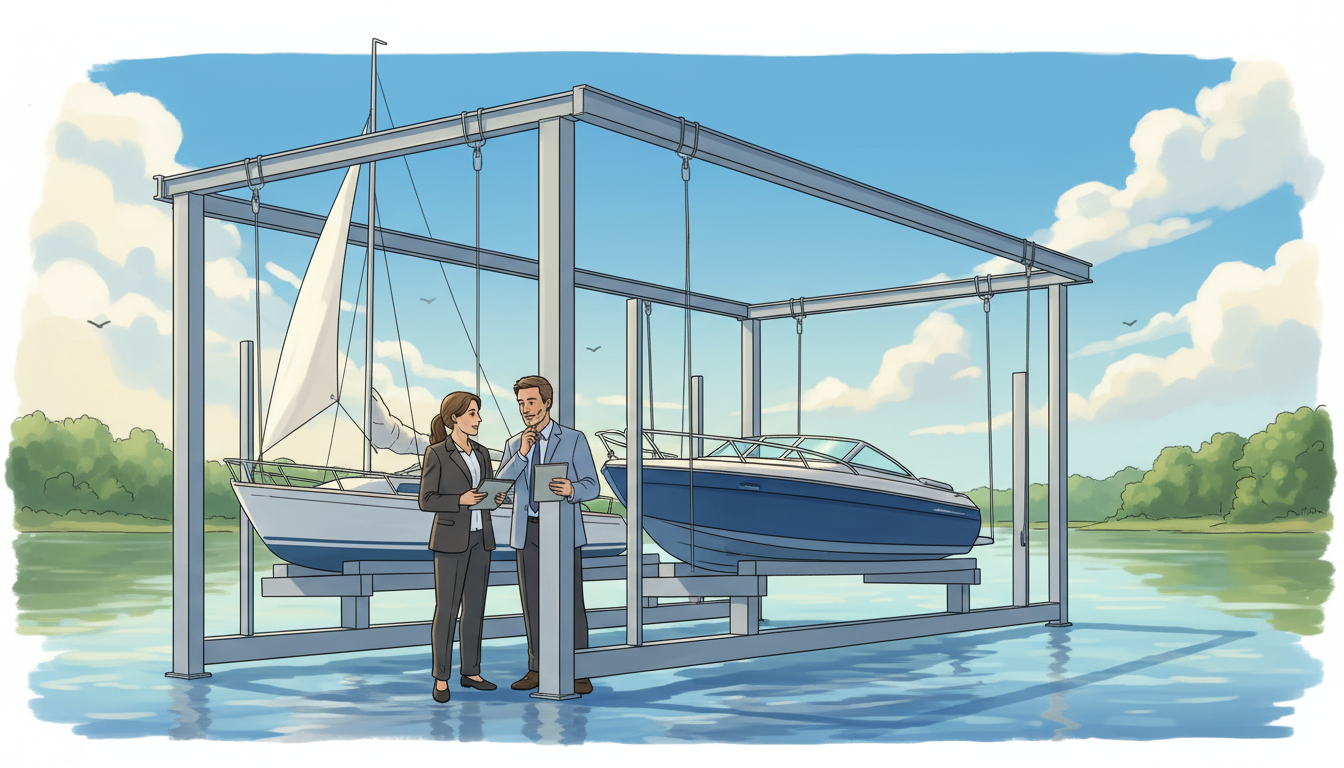
KC Marine offers clear guidance so you can pick gear that protects your investment. A proper hoist raises your craft above the waterline. This keeps your hull clean and ready for action.
Small personal craft need very different capacity than large speedboats or yachts. Knowing your vessel’s specs is the first step in this short guide. We will walk through key factors, from dock layout to lifting power, so you feel confident in each choice.
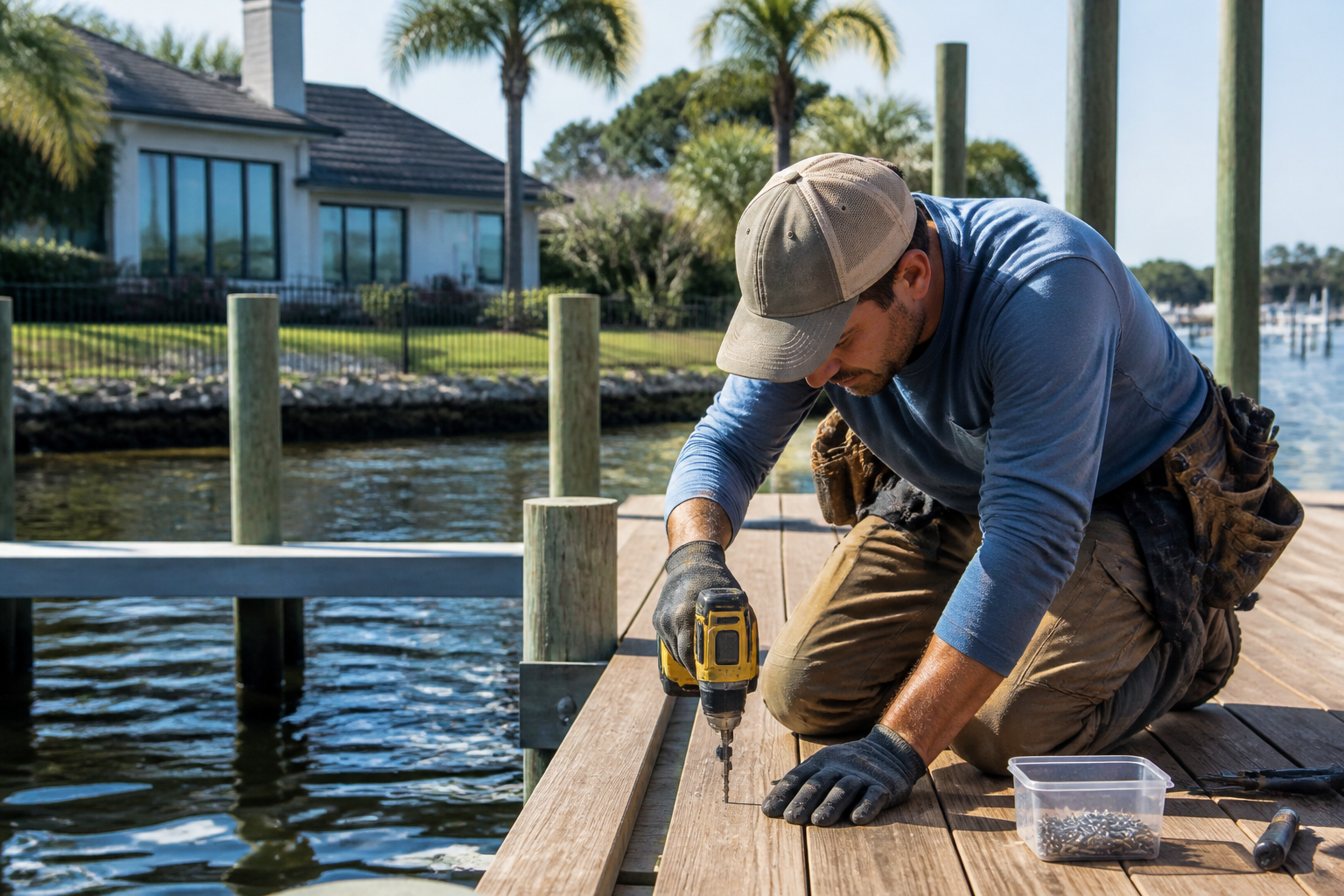
For local options and expert installs, check a trusted partner like KC Marine at Dock Builder Jacksonville.
Key Takeaways
- Select capacity based on vessel mass and hull form.
- Raising a craft prevents hull damage and marine growth.
- Small crafts need simpler systems; large vessels demand higher power.
- Dock layout and water depth shape which model fits best.
- Professional advice saves time and avoids costly mistakes.
Why Your Boat Needs a Reliable Lift
When a vessel stays in water, unseen damage can add up fast. Constant exposure invites algae and barnacles that scar gelcoat and weaken hull panels. Left unchecked, that growth raises maintenance needs and repair bills.
A quality boat lift removes these risks by keeping your craft dry between uses. It also limits rust and frame fatigue caused by rocking in currents and storms at the dock. That stability reduces stress on fittings and hardware.
Most boat owners find the investment pays off in saved time and lower long‑term costs. Elevated storage cuts cleaning chores and keeps engines and through‑hull fittings in better condition.
Key benefits:
- Prevents barnacle and algae buildup that causes hull damage.
- Reduces rust and structural weakening from constant water use.
- Protects against wave and current stress that leads to costly repairs.
- Provides stability during storms for peace of mind at your dock.
- Ensures readiness and less cleaning when you head out on the water.
How to Choose the Right Boat Lift Size for Your Boat Weight and Type
Start by totaling every onboard load so capacity matches real-world conditions. That means adding fuel, batteries, gear, livewell water, and any extra accessories to the dry number on your title. Small items add meaningful mass when combined.
Calculating Total Loaded Weight
Calculating Total Loaded Weight
Use a simple checklist and add each component. Once you have the fully loaded figure, increase it by a 20–30% safety buffer. This buffer improves stability and extends the life of your lift.
Understanding Hull and Beam Requirements
Match the cradle to hull shape and beam dimensions. Proper bunk alignment and balanced support prevent warping, stress cracks, and uneven wear.
- Verify manufacturer specs for lift weight capacity and design compatibility.
- Account for future upgrades that raise total mass.
- Consider hull type—pontoons, V-hulls, and wakecraft need different support patterns.
Evaluating Your Waterfront and Dock Conditions
First, note the water depth and whether levels swing with seasons or storms. This single factor often decides whether a fixed or floating system suits your dock.
Depth and fluctuating water levels affect reach and usability. Shallow spots need long arms or floats that rise and fall. If water levels vary a lot, pick a setup that stays usable across those changes.
Substrate matters. Sandy bottoms let you drive pilings more easily. Rocky or soft muck may need special footings or heavier anchors to support the load.
Wind and wave exposure impact stability. Open, exposed sites demand more robust frames and secure anchoring. Sheltered slips can use lighter systems without extra reinforcement.
Quick comparison
| Condition | Impact on selection | Practical note |
|---|---|---|
| Fluctuating water levels | Requires adjustable rise or floating design | Ensure clearance at lowest and highest points |
| Bottom substrate | Determines piling or footing method | Survey before install; consult local pros |
| Wind / wave exposure | Drives stability and bracing needs | Add wind bracing or stronger anchors in exposed sites |
- Evaluate waterfront conditions as a key factor in system planning.
- Confirm that any chosen lift can reach needed depth across seasons.
- Match anchoring method to substrate for lasting support.
Comparing Common Boat Lift Designs
Different frameworks offer distinct benefits depending on depth, exposure, and routine use. This quick guide helps you spot pros and cons so you can match a system to conditions at your dock.
Cantilever and Vertical Systems
Cantilever models are simple and affordable. They work well in shallow water and need less hardware. If access is limited, this design gives an easy, low‑cost option.
Vertical systems rise straight up and handle deeper slips. They offer steadier support for larger vessels and suit sites with variable depth.
Hydraulic Power Benefits
Hydraulic setups deliver smooth, powerful motion. That extra muscle matters when lift weight and weight capacity grow with larger boats.
The Basta Hydraulic Over-Center™ design is widely respected for reliability and stability. It keeps boats steady even with fluctuating water levels.
Floating Lift Advantages
Floating lifts use air chambers for buoyancy and react to water changes automatically. They shine where levels swing seasonally or during storms.
- Adjusts with fluctuating water for consistent hull support.
- Good choice when depth and dimensions change often.
- Pairs well with hydraulic systems for heavier loads.
Essential Features and Accessories for Your Setup
A sound frame plus a few key accessories cut maintenance and speed up daily launches. Choose galvanized steel or marine‑grade aluminum for long life and corrosion resistance. That construction reduces rust from salt air and keeps structural parts stronger over time.
Remote controls and automated systems simplify raising and lowering. They save time when you manage heavy loads and changing water levels. Many owners prefer wireless remotes for convenience at the dock.
Guide‑on systems and protective covers guard the hull from bumps, debris, and UV exposure. These add-ons make docking steadier in wind or current. They also cut cleaning and repair chores.
- Prioritize durable materials that resist corrosion.
- Install guide‑ons and a cover to protect the hull and finish.
- Use remote or automated gear for smooth, safe operation.
Finally, ensure the lift design provides balanced support across contact points. Proper installation of these accessories will protect your investment and make everyday use easier.
Best Practices for Installation and Long-Term Maintenance
Start with a site survey. Inspect shoreline, water depth, and footing stability before any equipment goes in place. This step prevents surprises and helps the support structure hold the planned load.
Annual checks matter. Each year, inspect cables, pulleys, fasteners, and electrical gear for wear or corrosion. Address small issues now to avoid on-water failures later.
Winter prep is simple but critical. Raise the platform fully, cover the vessel, and secure all moving parts. That protects motors, lines, and batteries from ice and low temperatures.
| Task | When | Why it matters |
|---|---|---|
| Pre-site inspection | Before install | Ensures correct placement and even load distribution |
| Cable and pulley review | Annually | Detects wear that could lower lift weight capacity |
| Winterization steps | Seasonal | Prevents freeze damage and reduces corrosion |
- Keep a maintenance log with dates and parts replaced.
- Follow a schedule that protects fuel and battery systems.
- Consult pros when conditions or gear change.
“Regular care keeps equipment ready and safe.”
Final Thoughts on Protecting Your Investment
, A well-sized hoist protects your investment and cuts future repair bills.
Use clear load numbers when you pick gear so support matches actual mass and conditions. That prevents stress, lowers upkeep, and keeps hulls in good shape.
Follow this concise guide and you can make an informed choice that keeps time on the water fun. Inspect specs, add a safety buffer, and confirm lift weight capacity before purchase.
Tip: Reach out to pros like LOTO Lift or KC Marine for a site survey and safe installation. Proper care and regular checks keep lifts dependable for years.
FAQ
What factors determine the correct lift capacity for my vessel?
Start with the full loaded displacement: include fuel, gear, people, and aftermarket gear. Add about 20% as a safety margin and match that to the lift’s rated capacity. Check hull type and beam width, since wide or heavy-hull craft concentrate load differently than slender designs.
How do hull shape and beam influence platform selection?
Flat-bottom, V-hull, and pontoon designs sit on supports in different ways. Pontoon struts need wider bunks or cradle cups, deep-V hulls need adjustable bunks that follow keel contours, and wide beams may require offset bunks or dual cradles to distribute load evenly and prevent stress points.
How should I factor in fluctuating water levels at my dock?
Measure normal high and low tides or lake ranges and add the highest expected swing. Choose a system with enough vertical travel so the craft clears the water at low levels and docks safely at high levels. If swings are extreme, consider a floating or vertically adjustable system.
Which lift type works best in shallow versus deep water?
In shallow spots, cantilever or lift-pier installs often fit better because they need less depth. Deep-water sites benefit from vertical hoists or floating lifts that provide more clearance and easier access. Match the design to the depth and seabed type at your location.
What are the main pros and cons of cantilever, vertical, and floating systems?
Cantilever lifts are simple and budget-friendly but offer limited clearance. Vertical lifts save footprint and give big vertical travel but require sturdy pilings. Floating lifts offer gentle handling and good clearance in variable levels but need mooring and more maintenance. Pick based on use, water conditions, and budget.
When is hydraulic power worth the extra cost?
Hydraulics give smooth, powerful operation for heavy craft and frequent use. They’re ideal if you haul large displacement vessels often or need precise positioning. Electric winches work fine for lighter recreational boats and lower cycles per day.
What accessories should I consider for protection and convenience?
Look at bunks, keel rollers, canopy covers, motor brackets, and corrosion-resistant fasteners. Galvanized or stainless hardware, sacrificial anodes, and slip-resistant decking prolong life and reduce maintenance. Add a canopy or cockpit cover for UV protection.
How do I size bunks or cradle spacing for my hull?
Bunks should follow the hull’s support line—one along the keel and additional supports under load-bearing chines or stringers. For deep-V designs use longer keel support; for wide hulls place supports to avoid hull flex. Manufacturer guidelines are a good starting point.
What maintenance keeps a lift reliable year after year?
Inspect cables, pulleys, and motor mounts annually. Grease moving parts, check fasteners and anodes, and replace worn rollers or straps. Winterize electrical systems and lower tension slightly if you store boats ashore for months.
How do I account for added gear like outboards, fuel and trailers when rating capacity?
Add the dry weight of added engines, full fuel and water tanks, and any heavy gear like anchors or battery banks. If you’ll transport a boat on a trailer use the on-trailer weight plus trailer mass when evaluating lift capacity for marina or storage lifts.
Can I retrofit an existing dock to support a bigger system?
Often yes, but you must assess piling condition, load ratings, and local codes. Reinforcing pilings, adding bracing, or installing separate piling clusters for a vertical lift may be required. Hire a marine contractor or structural engineer for complex upgrades.
Are there local rules or permit needs for installation?
Most jurisdictions have permitting for dock and lift installations, especially on coastal or environmentally regulated waters. Check with local harbormaster, county, or state agencies before ordering equipment or driving pilings.
How much clearance should I leave between hull and lift frame?
Leave enough room for beam flex and loading tolerances—typically a few inches on each side and a comfortable gap under the hull when lifted. Follow the lift maker’s recommended clearances for your hull shape and prop setup.
What signs indicate my current lift is undersized or failing?
Look for sagging bunks, strained motors, unusual noises, slow lift cycles, or visible deformation of frame members. Frequent trips to the limit switches or tripping breakers also point to overload or wear.
Who should I consult when selecting capacity and design?
Talk with certified marine contractors, lift manufacturers like ShoreStation or Galvanized Power Lifts, and boat dealers familiar with your hull. A pro can verify weight numbers, waterfront conditions, and local code requirements for a safe, lasting setup.