Have you ever wondered if a quick checklist today could save a costly loss tomorrow? Living on the First Coast means hurricane season is not just a headline — it is a calendar fact.
In 2022, Florida recorded more than $116 billion in storm damage. That stark number shows why you must act early.
Start by inspecting your dock and boat lift systems well before any storm watches. Small fixes now can prevent catastrophic loss of structures and reduce long-term damage.
Over the next sections, you will read clear, practical steps on securing lifts, checking insurance, and evaluating risks so your boat and boat dock stand the next season.
Key Takeaways
- 2022 showed how costly storms can be; early action matters.
- Inspect lifts and dock structures well before hurricane season.
- Small maintenance steps often prevent major damage.
- Verify insurance covers storm loss for marine assets.
- Plan and act now — waiting until a watch wastes critical time.
Assessing Your Dock for Storm Vulnerability
A careful walk along the waterfront reveals small faults that big storms exploit. Between June 1st and November 30, make a focused inspection of every board, piling, and fastener. Early checks cut the chance of total loss when storm season peaks.
Identifying Weak Points
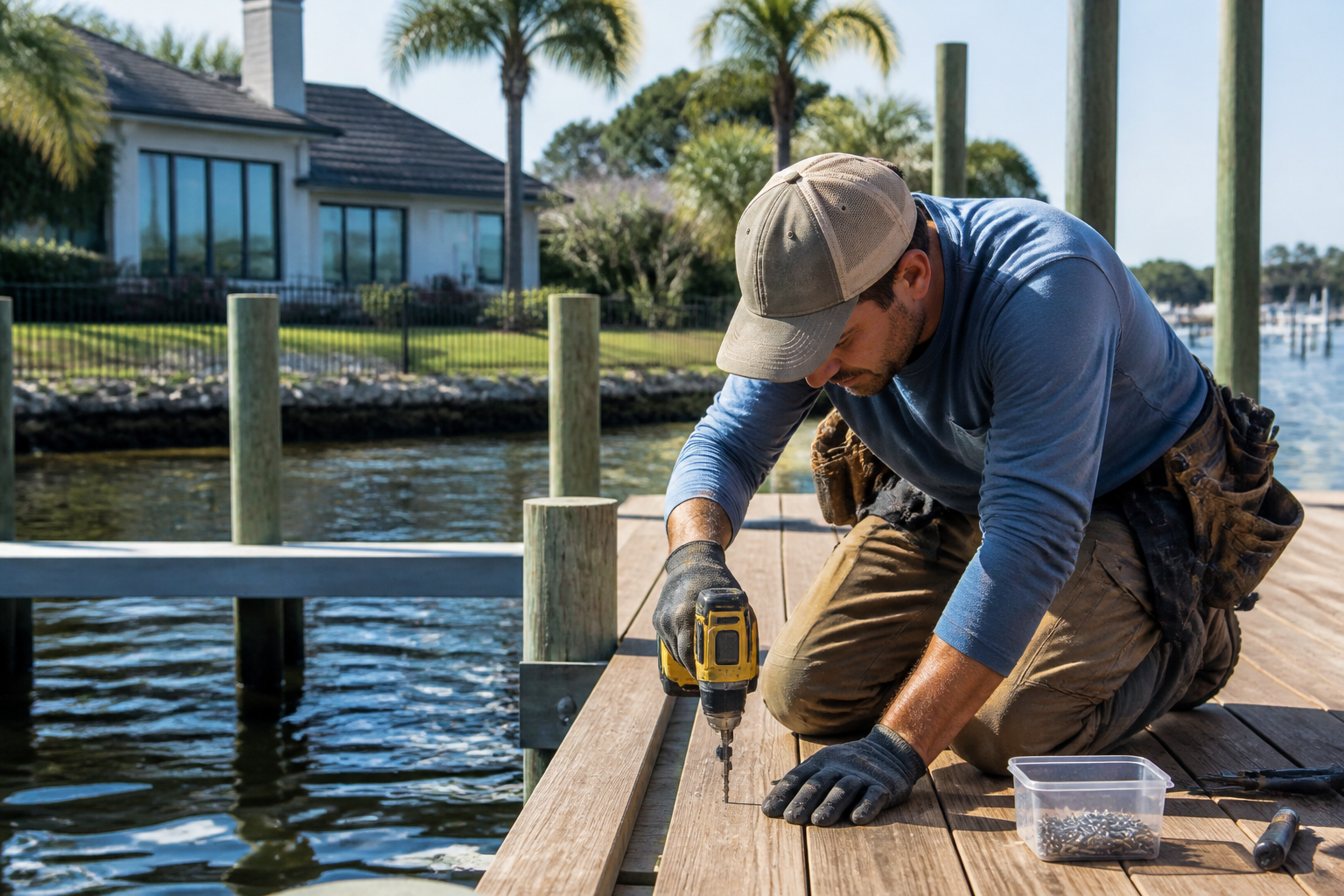
Walk the full length of the dock and scan for rotted planks, loose rails, or gaps that let water push through. Look for cracks in pilings and any signs the structure is shifting.
Hardware and Fastener Checks
Rusted bolts and corroded brackets are common failure points. Tighten or replace fasteners, and note areas that need immediate maintenance.
- Check planks for soft spots.
- Test railings for wobble or play.
- Inspect pilings for cracks and shifting.
| Vulnerability | What to look for | Quick action |
|---|---|---|
| Planks | Rot, soft spots | Replace weak boards |
| Fasteners | Rust, looseness | Swap for stainless hardware |
| Pilings | Cracks, movement in water | Call a marine contractor |
How to Protect Your Dock from Hurricanes in Jacksonville Florida
Treat boat lifts as your dock’s first line of defense against rising surge and heavy winds.
Choose lifts rated for local surge levels. Systems like Hurricane Boat Lifts raise a boat above expected water and reduce hull contact. That removes strain from cleats and lines and steadies pilings during rough conditions.
Before a storm, remove loose gear. High winds turn small items into flying debris that can shred docks and damage nearby boats.
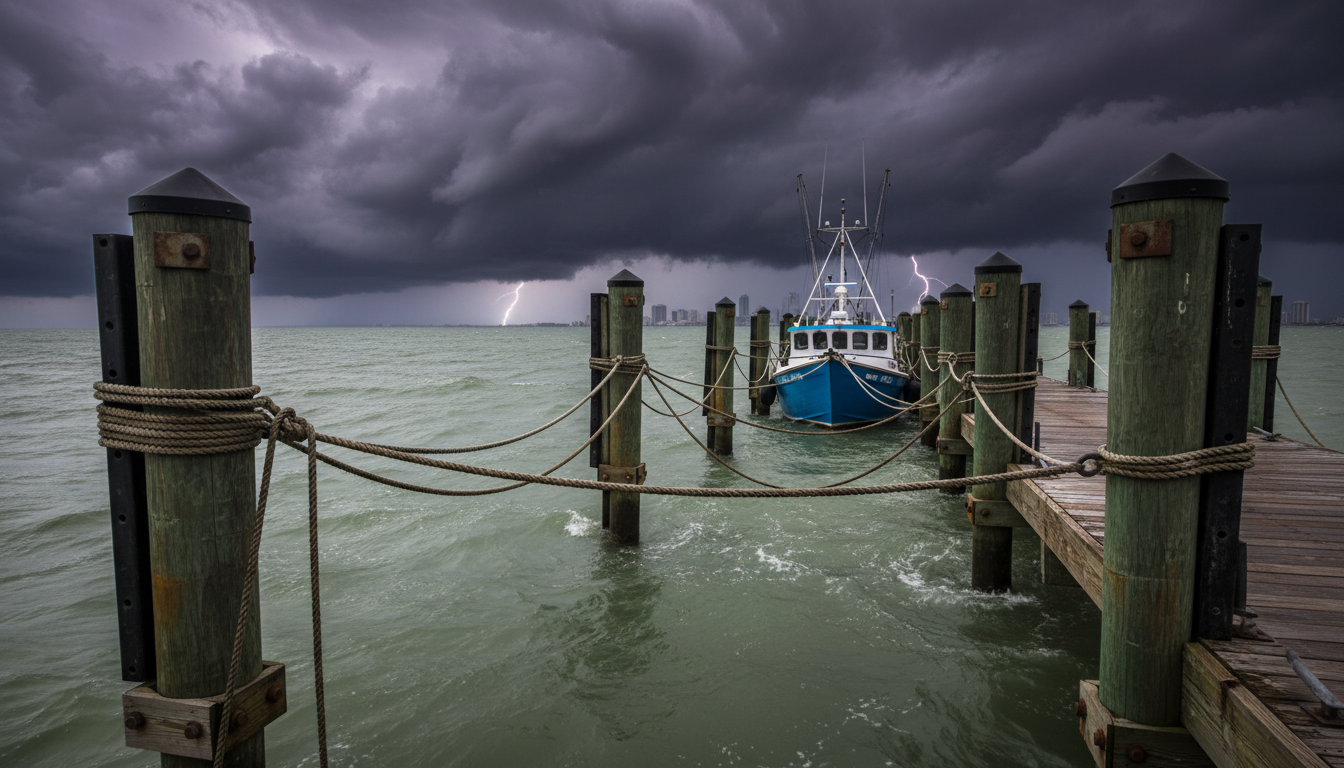
Keep in mind a vessel left afloat acts like a sail. In strong winds it can push hard against structures and rip boards free.
Final preparation steps: clear debris, verify all components are marine-rated, and lift boats early enough so lines are not under surge stress. Taking this time now gives the best chance your docks and boats survive the next severe weather event.
Essential Structural Upgrades for Storm Resilience
Strong materials and smart anchoring make the difference when seas rise and winds climb.
Benefits of Composite Materials
WearDeck composite decking resists moisture, UV rays, and warping. That means fewer repairs and lower long-term maintenance costs for your dock.
Composite boards handle moving water and salt better than untreated wood. They keep walking surfaces stable and cut the chance of rot after a major storm.
- Upgrade to composite materials like WearDeck for superior durability against moisture and high winds.
- Install helical or deep-set pilings to resist shifting soils and rising water levels at higher tide levels.
- Use stainless steel or hot-dipped galvanized fasteners on your boat dock to prevent rust and decay.
- Choose marine-grade aluminum for any boat lift or lifts so the system withstands intense winds and pressure.
- These structural upgrades strengthen your docks and overall waterfront structures, protecting the safety of your boat.
Managing Boat Lifts and Waterfront Equipment
A clear plan for lifts and loose gear gives you an edge during hurricane season.
Start by securing loose items quickly. Remove chairs, fishing rods, coolers, and any small gear that can become dangerous projectiles in high winds.
Disconnect power to mechanical systems and raise the boat lift as high as it will safely go. This lowers the chance of electrical damage from storm surge and reduces strain on the motor.
Proper Lift Operation
Follow manufacturer guidance when operating lifts. Hurricane Boat Lifts suggests lifting early and cutting power once the boat is secure.
If a storm will be severe, consider trailering boats inland. Keeping boats on lifts during extreme winds often increases risk rather than reduces it.
Removing Cradle Beams
When possible, remove cradle beams to lower surface area exposed to winds and surge. Less sail area means fewer forces acting on pilings and fasteners.
Options for Modular Docks
EZ Docks Florida offers modular floating systems that you can disassemble and store. This option is valuable for emergency preparation and quick removal before a storm.
| Item | Action | Benefit |
|---|---|---|
| Loose items | Remove and store ashore | Reduces projectile damage |
| Boat lift | Raise fully and disconnect power | Protects mechanical systems from surge |
| Cradle beams | Remove when possible | Lower wind and surge exposure |
| Modular dock | Disassemble and store | Minimizes structural loss |
Keep in mind that securing the boat and dock as a single unit can help them rise with water levels and reduce the chance of total loss. Plan your actions early, and set time aside before conditions worsen.
Documenting Your Investment for Insurance Purposes
Good documentation saves weeks of argument and speeds any claim after severe weather.
Start early and spend a little time building a clear record of the dock and boat you own.
Take dated photos of the full structure, close-ups of serial plates, and images of any recent upgrades. Note manufacturer names and serial numbers for the boat lift and any other powered units.
Keep receipts for upgrades and repairs. Store copies of invoices, permits, and warranty papers in a cloud folder you can share with your insurance agent.
- Inventory expensive items and note model numbers.
- Photograph weak points and completed upgrades.
- Share the folder with your insurer before the storm window opens.
Thorough records reduce disputes over value after damage and speed recovery from loss. Proper paperwork protects your investment and makes the claims process less painful when the unexpected happens.
Safety Protocols for Post-Storm Inspections
After winds die down, your first priority is a careful, staged inspection of the waterfront.
Handling Electrical Hazards
Never step onto a pier without a clear visual sweep from shore. Saltwater can hide live wires and damaged connections that cause shocks.
Check from a safe distance for leaning pilings, exposed nails, and floating debris. If you see any signs of electrical sparking or burnt wiring, keep back and call for help.
- Power down shore units and avoid wet surfaces near panels.
- Inspect boat electrical systems and bilge pumps before using onboard power.
- For structural or electrical damage, contact professional services like Overall Outdoor & Marine Services for emergency response and repairs.
| Hazard | Signs | Immediate Steps |
|---|---|---|
| Electrical wiring | Sparking, burnt smell | Keep distance; call services |
| Structural damage | Leaning pilings, loose boards | Do not board; document and call a pro |
| Debris | Floating logs, sharp items | Mark area; remove only by pros |
| Boat systems | Dead pumps, corroded terminals | Isolate power; schedule maintenance |
Conclusion
A clear plan and the right gear make waterfront ownership less risky.
Act early in the hurricane season. Use high-quality boat lifts and resilient materials to shield the structure and the boat. Small upgrades pay off over time and lower repair costs after storms.
Keep paperwork and photos handy, and explore professional services and options if you need help. These steps protect your investment and give peace of mind through future hurricanes and severe weather.
FAQ
What should I inspect first when checking dock vulnerability before storm season?
Start by walking the structure and looking for loose boards, corroded fasteners, and leaning pilings. Check connections where the dock meets the shore and any areas exposed to wave attack. Note soft spots in decking and any signs of marine borer damage. A quick photo log helps when you file insurance claims or schedule repairs.
Which hardware needs routine checks to reduce failure risk during storms?
Inspect bolts, lag screws, nuts, and brackets for rust or stretching. Replace galvanized hardware with marine-grade stainless steel where practical. Look at cleats, hinges, and lift cables; frayed cables and seized winches are common failure points you should address ahead of the season.
Are composite materials worth the investment for storm resilience?
Yes. Composite decking resists rot, UV damage, and marine organisms better than untreated wood. It lowers maintenance and often performs better under surge and spray. Pair composites with stainless fasteners for a long-lasting upgrade that reduces replacement frequency.
What steps should I take with boat lifts and waterfront equipment before a storm?
Lower or raise lifts per manufacturer guidance, secure lift motor housings, and disconnect power. Remove removable components like control boxes and tie down remaining equipment. If you have a travel lift or hoist, follow the specific procedures from companies like ShoreStation or LiftMaster for safe pre-storm actions.
How can I secure loose items and reduce debris risk?
Remove furniture, hoses, fenders, and gear from the dock and store them inland. Lash down larger fixed items and use heavy-duty straps for any gear you can’t remove. Floating docks often fail when small items become projectiles, so don’t leave loose gear behind.
Is it better to remove cradle beams from my boat lift before a storm?
If removal is practical, take the cradle beams off and store them. If not, at least unbolt any removable sections and lash them securely. Floating cradles add surface area for surge and wind to act on, increasing stress on the entire lift system.
What documentation should I keep for insurance and recovery?
Keep recent photos, receipts for upgrades, and serial numbers for lifts and motors. Create a dated inventory of dock components and maintenance actions. Store digital copies in cloud storage and send a copy to your insurance agent so claims can be processed faster after a storm.
How do I safely inspect the dock after surges or high winds?
Wait until authorities declare the area safe. Watch for downed power lines and assume electrical systems are live. Wear boots and gloves, and check pilings, fasteners, and wiring visually before stepping on the dock. If you suspect electrical hazards, call an electrician rather than testing it yourself.
When should I call a professional for repairs or reinforcement?
Hire a licensed marine contractor if you see significant structural movement, split pilings, or major corrosion. Pros can advise on piling replacement, additional bracing, or elevation changes. For electrical or complex lift repairs, use certified technicians from brands like Eaton or Genie to avoid safety issues.
What preventive maintenance schedule helps minimize storm damage over time?
Inspect the dock at least twice a year—pre- and post-storm season. Tighten hardware, power-wash decking, and coat exposed wood or metal as recommended. Keep a checklist and move small items off the dock whenever tropical systems threaten to reduce potential damage.